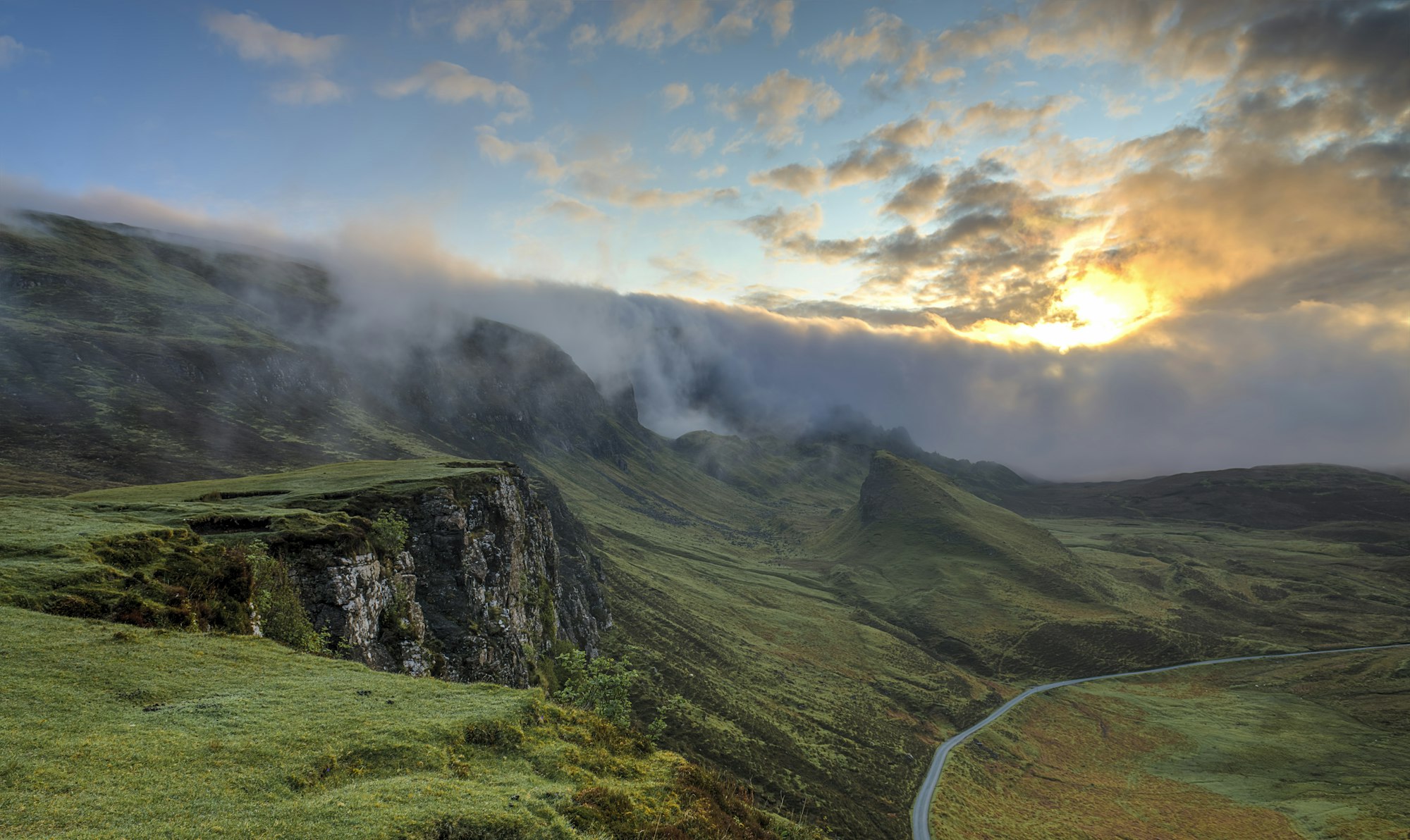
From secret mountain waterfalls and ancient canyons to coastal dunes. Your next outdoor adventure starts right here.
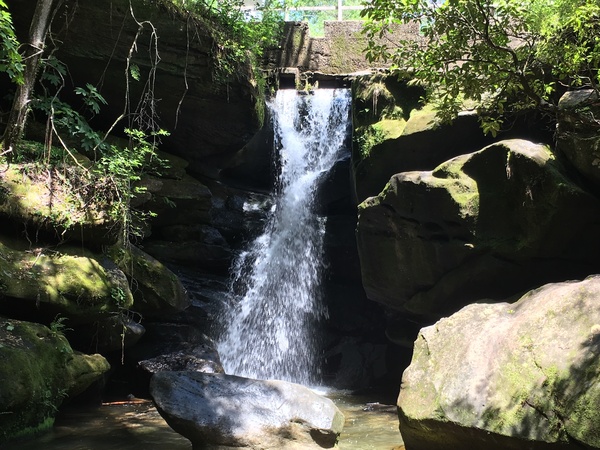
Step into a magical, prehistoric world along the canyon floor of the Dismals Canyon Trail, a National Natural Landmark steeped in mystique and ancient beauty. Beginning at Rainbow Falls, a stone-and-timber stairway descends into a sunken sandstone gorge where moss-draped walls, towering hemlocks, and subterranean streams create an enchanting microclimate. The trail guides explorers through narrow earthquake fissures, into historic Native American bluff shelters like the Dance Hall and Temple Cave, and past the towering 360-year-old Champion Canadian Hemlock. Home to the world-famous bio-luminescent "Dismalites," this breathtaking canyon walk is one of the most unforgettable nature excursions in the Southeast.
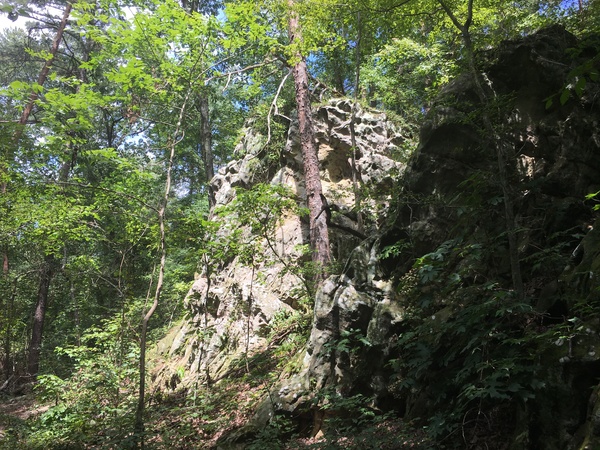
Explore dramatic geological ledges and industrial history on the Sandstone Ridge trail at Ruffner Mountain. Reached via the scenic Buckeye Trail and historic Birmingham Mineral Railroad railbeds, this loop path winds beneath towering sandstone rock faces and around historic iron mining foundations. The distinctive sandstone ledges provide excellent vantage points for photography, framed by a thick canopy of mixed pine and hardwood forest. While the approach climb requires moderate effort, the fascinating historic ruins and striking rock formations make it a deeply rewarding mountain trek.
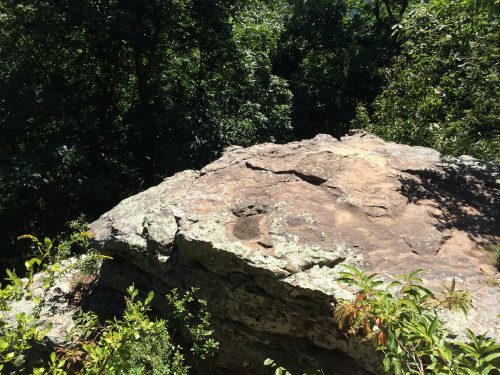
Soak in sweeping mountain vistas and quiet forest paths on the South Plateau Overlook loop at Monte Sano State Park. Encircling the park's upper plateau near the historic fire tower, this versatile trail leads hikers across gentle dirt paths and rocky woodland stretches lined with rustic stone cabins. The crown jewel of the route is its midpoint overlook, where the trees part to reveal spectacular panoramic views of the Tennessee Valley below. Shaded by mature hardwoods and dotted with historic trail shelters, it is a relaxing, bird-filled hike ideal for an easy afternoon outing.
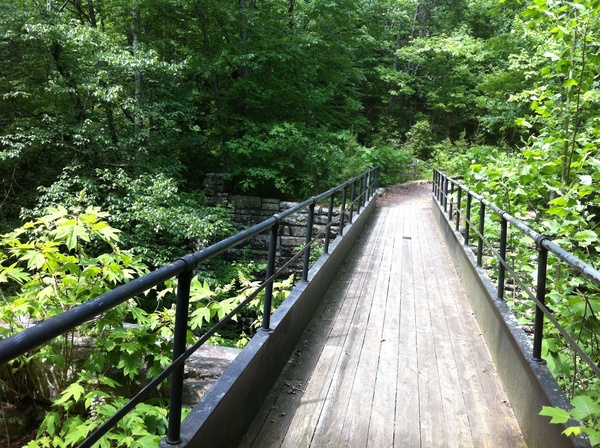
Find solitude in the deep woods along the Gillam Loop Trail, a peaceful 3.4-mile loop nestled within DeSoto State Park and the neighboring Wildlife Management Area. Winding beneath a dense canopy of mature hardwoods and fragrant pines, this gently rolling pathway offers a quiet woodland retreat away from the park's busier waterfalls and overlooks. A notable highlight of the route is an optional excursion along an old CCC road leading to the unfinished Civilian Conservation Corps bridge, featuring exquisite historic stonework. Its level profile and soft dirt surface make it a wonderfully relaxing escape for hikers and trail runners alike.
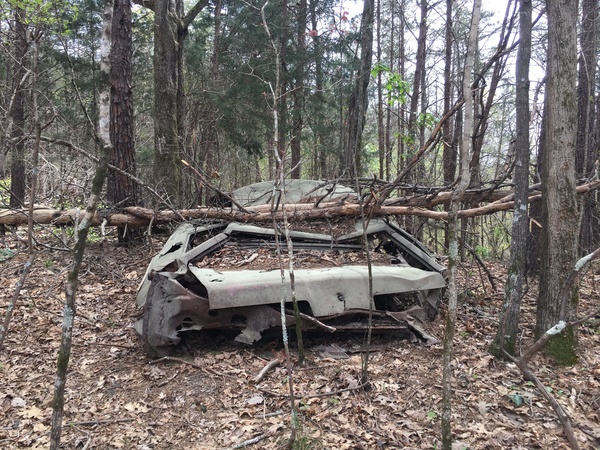
Uncover woodland curiosities and river vistas on the Rust Bucket Trail at Cahaba River Park. Named for a vintage, abandoned automobile slowly reclaimed by decades of forest growth, this varied pathway weaves through dense pine and spruce woods with gentle changes in elevation. Along the route, the trail traces the high bluffs overlooking the scenic Cahaba River, offering rewarding waterside overlooks that shine especially during the winter months. Accessible for both day hikers and mountain bikers, it delivers a fun, intriguing trek through Shelby County's riverside forests.
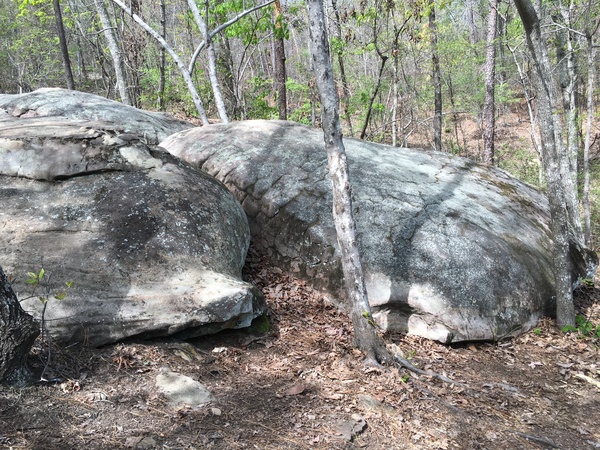
Experience the full geological variety of Moss Rock Preserve on the adventurous Blue Powerline Loop. This diverse circuit descends past the preserve's iconic boulder fields to the flowing waters of Hurricane Creek, before climbing across sunny sandstone glades framed by whispering pine canopies and delicate cascading waterfalls. The trail leads past multiple tucked-away boulder clusters beloved by climbers, traverses high ridgelines offering distant views, and returns along wide, historic forest logging roads. With its blend of rocky scrambles, rushing water, and shaded forest trails, it offers an exciting, multifaceted showcase of the preserve.
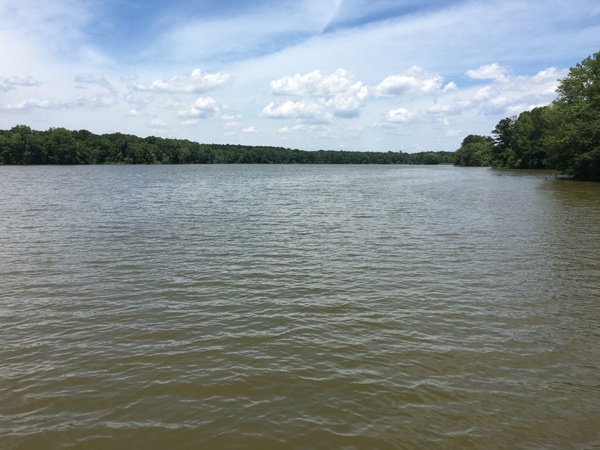
Wheeler National Wildlife Refuge covers 35,000 acres along the Tennessee River near Decatur, Alabama. Named after Major General Joseph Wheeler, the refuge was established in 1938 by President Franklin D. Roosevelt as the nation's first wildlife refuge superimposed on a multipurpose reservoir. Serving as a crucial wintering habitat for thousands of migrating waterfowl, including ducks, geese, and endangered whooping cranes, the refuge features wetlands, pine and hardwood forests, and managed agricultural fields. In addition to birdlife, the refuge supports over 100 fish species, 74 reptile and amphibian species, and diverse mammalian wildlife.
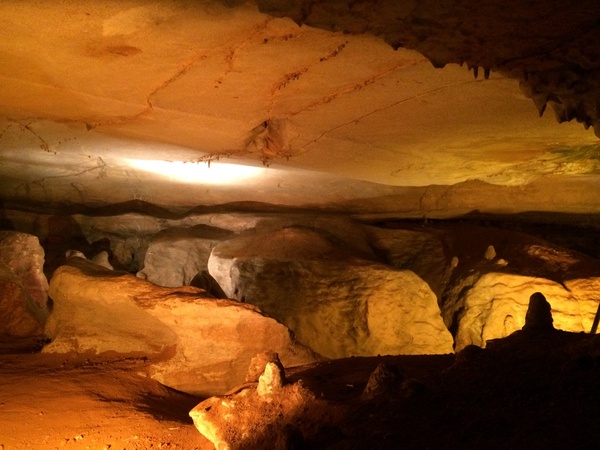
Rickwood Caverns State Park, located near Warrior, Alabama, hosts a variety of outdoor activities, including cave tours, hiking, picnicking, and camping. Visitors can explore a 260-million-year-old limestone cavern on a one-mile guided tour, descending 175 feet underground where temperatures remain a steady 58 to 62 degrees year-round. Above ground, guests can cool off in an Olympic-sized swimming pool fed by cave spring waters, hike the 1.25-mile Fossil Trail to view ancient geological formations, and stay at the park's modern campground.
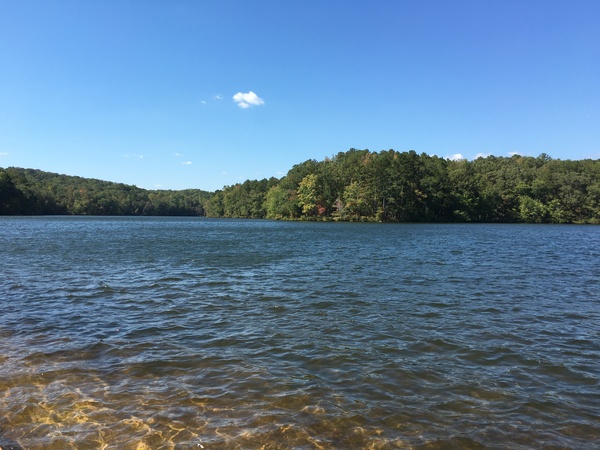
Lake Lurleen State Park is located 9 miles northwest of Northport, Alabama. The scenic 1,625-acre park rests on the banks of Lake Lurleen and offers year-round recreational opportunities. The park is named for the late Lurleen Burns Wallace, a former governor of Alabama and wife of former governor George C. Wallace. She remains the only female governor in Alabama history. The park features 23 miles of multi-use trails ranging from easy to moderate for hikers and bikers alike. Its 250-acre lake is stocked with largemouth bass, bream, catfish, and crappie, making it ideal for anglers. During the summer, visitors can cool off in the swimming area or camp in one of several campgrounds.
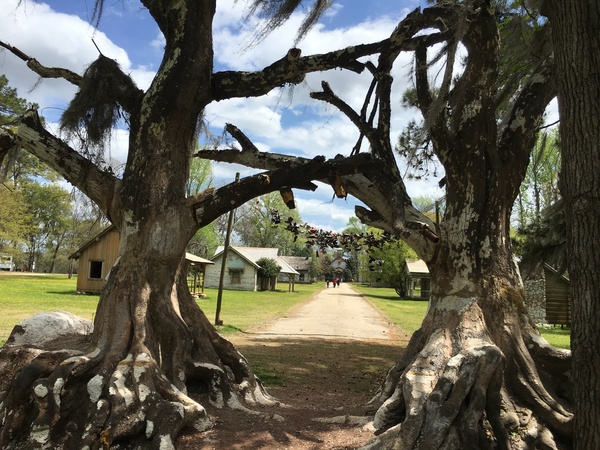
The town of Spectre stands as a picturesque movie set on Jackson Lake Island in Millbrook, Alabama. Constructed as a fantastical film set for Tim Burton's 2003 movie Big Fish, the facades were designed specifically for camera angles. Although weathering, floods, and a fire have taken a toll over the years, several original structures remain, including the quaint church, the mayor's house, and five clapboard residences. Visitors can wander down the grassy main street under shoe-strung overhead wires, admire the mossy scenery, fish along the Alabama River, and even camp overnight for an admission fee.
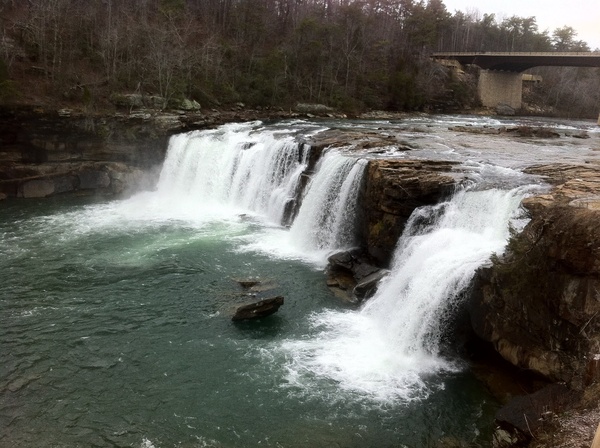
Little River Canyon National Preserve is situated atop Lookout Mountain near Fort Payne, Alabama. Established by Congress in 1992, this 14,000-acre preserve protects the Little River, considered one of the longest mountaintop rivers in North America. Flowing down the Cumberland Plateau, the river has carved one of the deepest gorges east of the Mississippi River, flanked by dramatic sandstone cliffs rising up to 600 feet. Visitors can take in panoramic views along the 23-mile Little River Canyon Rim Parkway, explore hiking trails, enjoy whitewater paddling, and view waterfalls such as Little River Falls.
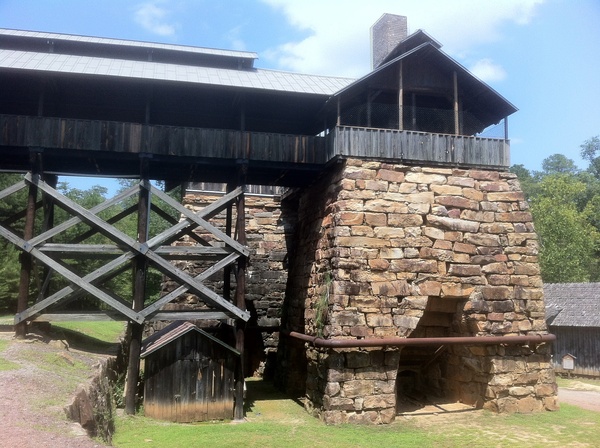
Tannehill Ironworks Historical State Park is a state historic site in McCalla, Alabama. Listed on the National Register of Historic Places, Tannehill was a major supplier of iron for Confederate ordnance. Across the 2,063-acre park are several historic structures, including the John Wesley Hall Grist Mill, the May Plantation Cotton Gin House, and the Tannehill Furnace. Ironworking began on the site in 1830, and by 1862 three charcoal blast furnaces produced 22 tons of pig iron per day. Today, the park offers modern and primitive camping, hiking, biking, and fishing. Visitors can ride the miniature railroad, watch artisans practice traditional crafts in pioneer cabins, visit the Iron and Steel Museum, and enjoy picnic areas throughout the grounds.
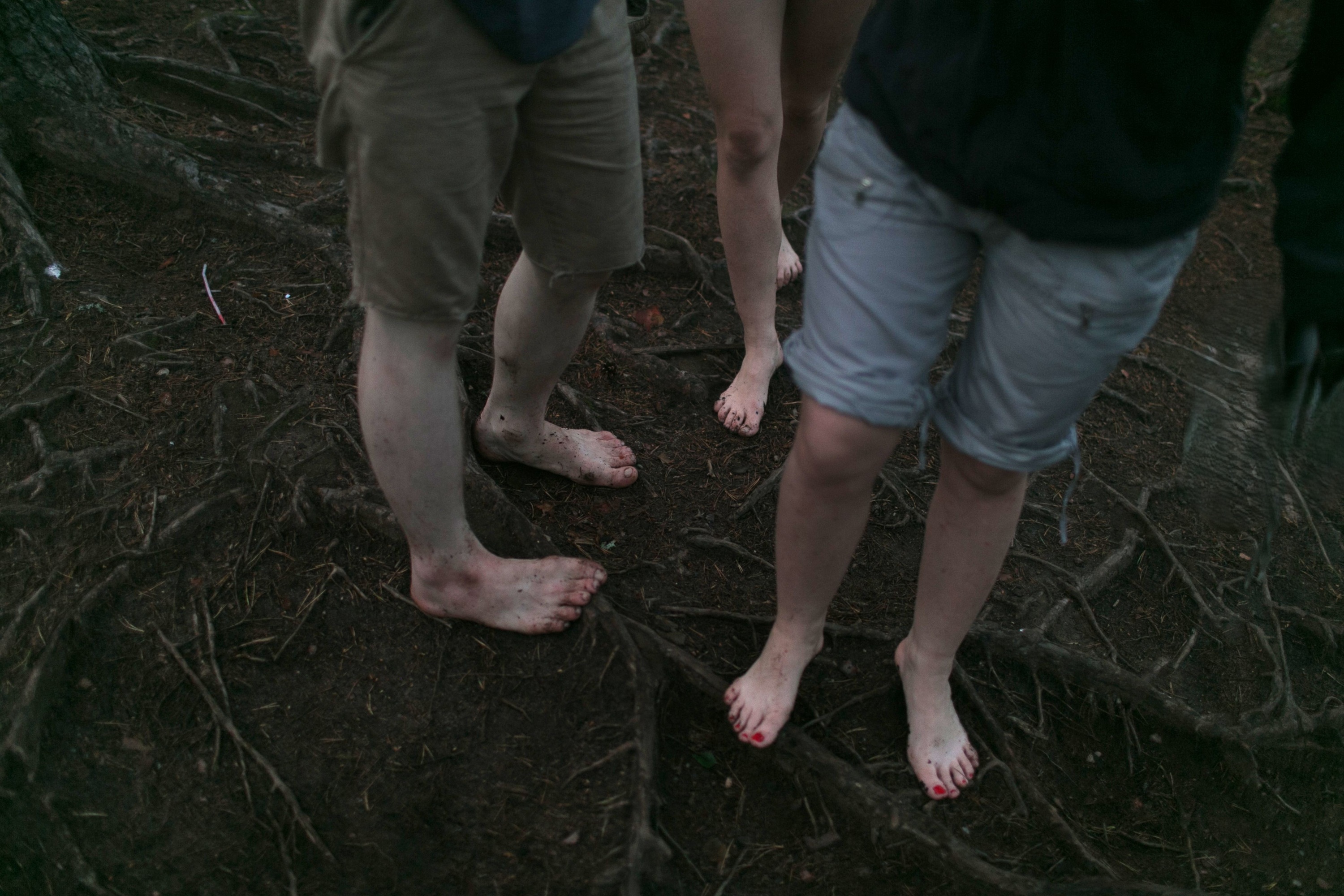
Bare Soles Explorers is a movement dedicated to encouraging kids and families to unplug from screens, get outdoors, and reconnect with nature. By reducing screen time and embracing active outdoor play—whether barefoot or shod—families can improve physical and mental health, boost sensory awareness, and build lasting memories together under the open sky.
"Here is your country. Cherish these natural wonders, cherish the natural resources, cherish the history and romance as a sacred heritage, for your children and your children's children."— Theodore Roosevelt
